Cabins, Boats, Everyday Life - What Actually Changes (and What Doesn’t)
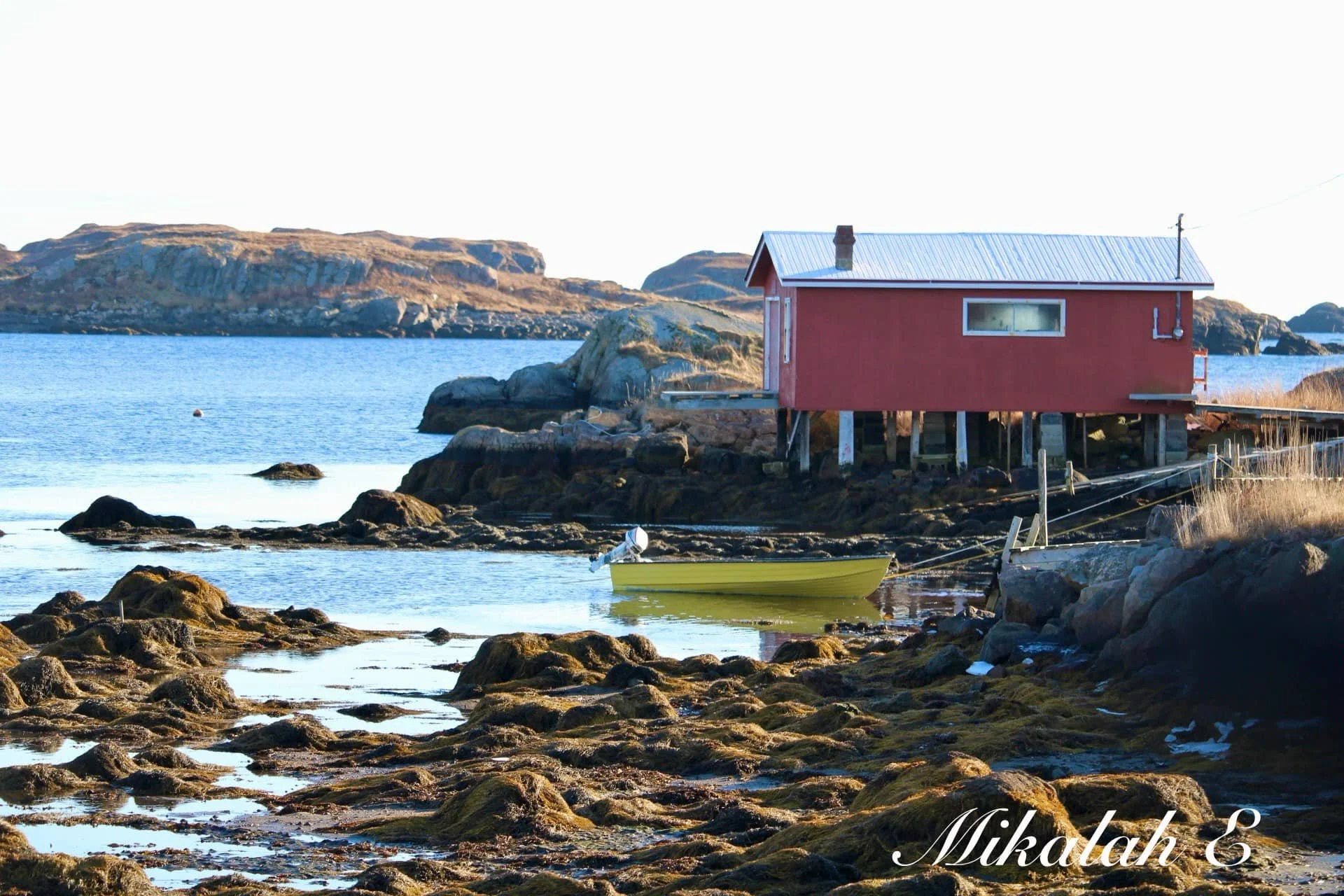
Overlooking a fishing stage in Clayhole in Ramea - Mikalah Eavis
If you live or work on the Southwest Coast, your routine is a compass: cabins on weekends, a boat in the water when weather allows, a season that rises and falls with the fish. An NMCA (national marine conservation area) doesn’t flip that compass, it makes the chart clearer. The goal is to protect what feeds us while keeping the water open for the people who know it best.
Start with the big fear: “Will I still be able to use my boat?”
In almost all areas, yes.
Vessel traffic continues for work and recreation. Targeted rules only apply where nature is unusually fragile - think seabird islands or eelgrass beds. These sensitive areas with more restricted rules are established with community input and collaboration – they aren’t just put in place out of nowhere.
The same principle holds for fishing. NMCAs are designed to balance livelihoods and conservation, not to shut everything down. The Act and the planning process explicitly allow sustainable commercial and recreational fishing, , and no-take zones are only a portion of the whole area, which are also negotiated with communities and fishers.
Aquaculture is another lightning rod. You’ve heard that “B.C. banned it inside an NMCA, so it’ll be banned here.” That’s not accurate: the B.C. phase-out of open-net pens is a separate, province-wide policy to 2029, independent of NMCA boundaries. Where appropriate, aquaculture can be zoned and regulated inside an NMCA.
So what actually gets planned?
Zoning is the backbone. Most waters are “general” or “sustainable use”, with smaller areas carrying seasonal or gear notes, and some small pockets fully protected where ecosystems need time to heal. The map is built locally with public input. It isn’t copied from somewhere else.
The process doesn’t run on autopilot, either. Management plans are reviewed and updated, and decisions are subject to public input and oversight. That’s how you move from rumour to clarity, and from anxiety to predictability.
Who decides, practically?
This is not Ottawa alone. The parties must line up - federal, provincial, Indigenous, and local partners - so provincial decision-makers matter, and local support matters. That kind of shared governance is why plans get negotiated instead of imposed.
For households, the translation is simple. Most weeks look like they do now - you go to your cabin, launch your boat, fish in season, join community events. In a few sensitive places, you might see posted guidance like “slow here”, or “no take” in a small area, with the reasons explained in plain language.
For businesses, clarity is currency. Long-term planning with industry creates certainty, strengthens brand value, and helps lenders and buyers assess risk. That’s the opposite of the “moving target” many fear, and it’s a key reason we’ve seen investment follow NMCA designations elsewhere.
Communication style will determine whether facts travel. The Town of Burgeo has already built an FAQ rooted in Parks Canada interviews, and the brief is clear: correct misinformation without attacking people or industries; use plain, friendly language at a Grade 5 reading level so everyone can follow. That’s how you keep neighbours talking, not shouting.
Think of the NMCA like adding better markers to a familiar harbour. The channels you use every day stay open, the hazards are better signed, and the most delicate patches are roped off for a season so they can recover, which keeps the whole harbour productive. The point isn’t to change who we are - it’s to keep Burgeo and Ramea and the Southwest Coast working, welcoming, and wild for the long run.