How an NMCA Can Grow Jobs and Confidence on the Southwest Coast
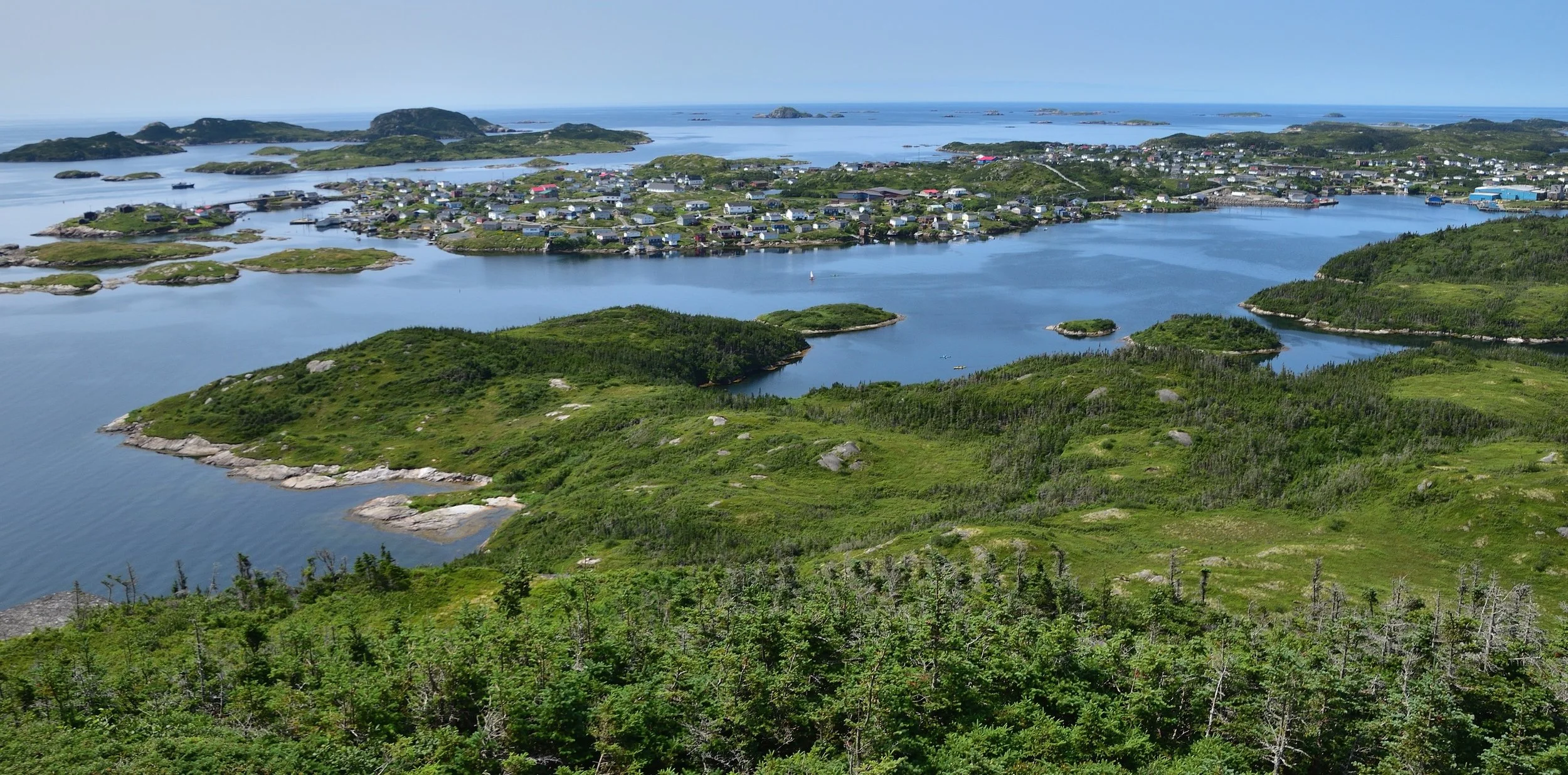
Overlooking Burgeo from Richards Head - Derrick Mercer
If you strip away the noise, an NMCA (national marine conservation area) is an economic signal. It tells the world that our coast is cared for, our rules are clear, and our brand stands for quality. That signal attracts investment, science partnerships, and visitors who spend with local families.
Look at the precedent.
When Canada creates or develops NMCAs, federal dollars follow - in real, multi-year amounts. Tallurutiup Imanga in Nunavut received $54.8 million (2019–2026), and the Central Coast in B.C. is slated for $109.6 million over 11 years. Investments like these translate into jobs, training, vessels and docks, research contracts, and stronger small businesses.
Closer to home, that kind of capital would do three things. First, it would stabilize demand - extending tourism seasons beyond summer through education, research, and cultural travel. Second, it would de-risk and demystify private investment by pairing conservation with clear access rules. Third, it would sharpen our market story - seafood and experiences from a coast that looks after its own.
This only works if working people can keep working. The NMCA model was built for that balance. Under the Canada National Marine Conservation Areas Act, sustainable commercial fishing, aquaculture either through co-=existence or as part of an NMCA), and recreation are allowed, then tailored locally through zoning. Think of zoning like a nautical chart - most waters are open for use, A few spots carry notes like “slow here,” “avoid during nesting”, or “no take” where habitats are fragile.
A common worry is that “B.C. banned aquaculture, so we will too”. That’s not how this works. B.C.’s phase-out of open-net pens is a separate province-wide policy decision running to 2029, independent of any NMCA boundary or bylaw. NMCAs can include regulated aquaculture where appropriate - the planning is local, negotiated, and transparent.
For business owners, the real value is certainty. The NMCA process plans with industry, over years, so rules are mapped, posted, and reviewed. That’s the opposite of chaos - and it’s exactly what lenders, regional buyers, and tourism wholesalers look for when they decide where to place bets.
Public sentiment matters, too. It’s hard to build momentum without a mandate. The latest polling shows overwhelming support for marine conservation and for the Southwest Coast NMCA specifically - 90% support on the South Coast and 72% on the Burin, with only 3-4% opposed. That’s a broad coalition for responsible growth, not a fringe idea.
We should be honest about trade-offs. Some small areas could carry seasonal or gear restrictions to protect seabirds or eelgrass, and that requires adaptation. But adaptation paired with investment can be a net positive - protecting the productivity that fishing and tourism both rely on. The alternative is pretending uncertainty isn’t already here, while competitors elsewhere build stronger brands.
Residents have asked for plain language and a respectful approach that corrects misinformation without attacking people or industries. That’s the path to durable confidence - facts first, no finger-pointing, and open channels for local input.
In the end, an NMCA is a lighthouse, not a fence. It marks hazards, charts fairways, and helps every boat - fishers, tour operators, researchers, families - find safe passage. With clear rules and credible investment, the Southwest Coast can grow jobs and pride without selling out what makes this place special. That’s the opportunity on the table.